Potty Training: 9 Tips for a Faster, Calmer Start
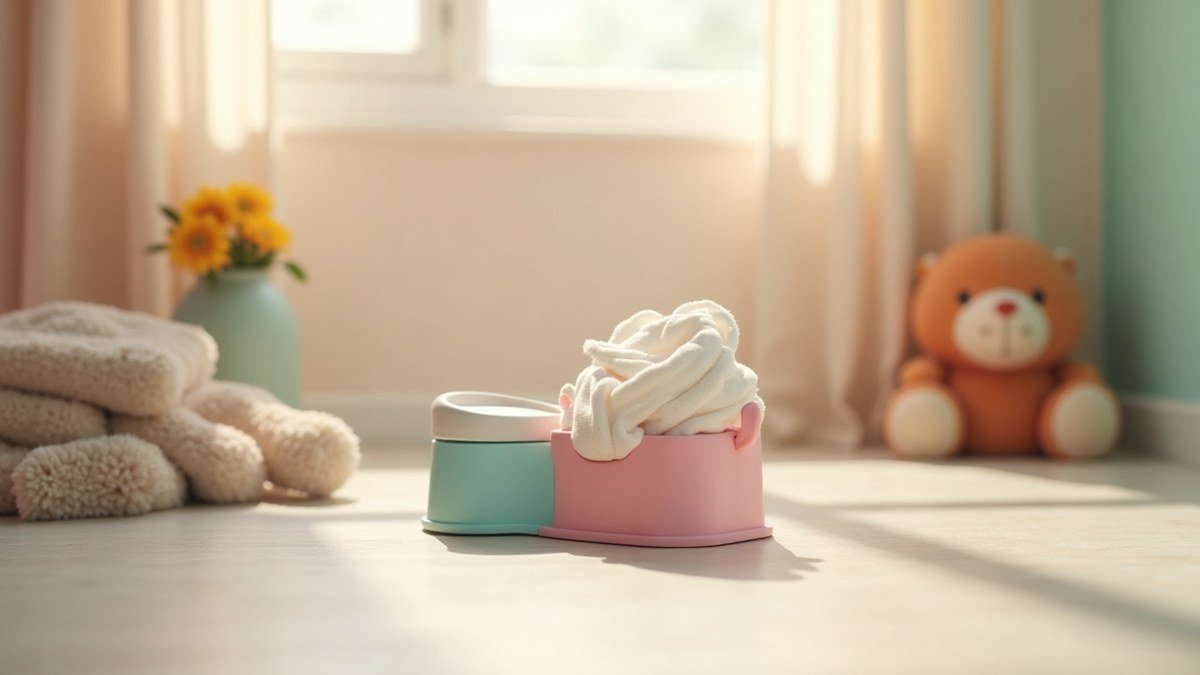
Potty training goes smoother when the whole thing feels calm and low-pressure, for them and for you.
I still remember the afternoon I decided my oldest was ready to potty train, mostly because a friend's kid the same age had just finished. I bought the little potty, cleared my calendar, and braced myself for three magical days. By dinner on day one I was sitting on the bathroom floor in a puddle of someone else's making, fighting back tears, convinced I had broken my child. It turned out I had not broken anything. I had simply rushed a kid who was not quite ready, with no real plan and a head full of other people's timelines. Once I slowed down and watched my actual toddler instead of the calendar, everything got easier.
That is the heart of what I want to share with you. Good potty training tips are less about clever tricks and more about timing, patience, and reading your own child. Below are the nine things I would tell a friend over coffee, drawn from getting three very different kids out of diapers and from my years as a pediatric nurse assistant. We will cover how to spot real readiness, how to pick a method that fits your family, how to handle the inevitable accidents without shame, and when it is wiser to pause and try again later. No pressure, no perfection, just a calmer start.
1. Watch for readiness signs, not just age
The single biggest mistake I made, and the one I see most often, is starting because of a birthday rather than a behavior. There is no magic age. Most children show real readiness somewhere between eighteen months and three and a half years, and that is an enormous window. Your job is not to hit a number. It is to notice when your particular child is showing you they are ready to learn this skill.
So what does ready actually look like? I watch for a cluster of signs rather than any single one. Staying dry for longer stretches, around two hours or through a nap, tells me the bladder is maturing. Hiding to poop, telling you a diaper is wet or dirty, or showing curiosity about the toilet all signal awareness. Being able to follow simple directions, pull pants up and down, and sit still for a couple of minutes matters too, because potty training is a physical and a communication skill at once.
Here is my honest take. When I waited for that cluster of signs instead of forcing it, training took days instead of weeks. With my second, I started too early again out of impatience, stalled for a month, and felt awful. With my third, I genuinely waited until she was tugging at her diaper and announcing every pee, and we were basically done in a long weekend. The signs are not a suggestion. They are the whole game.
Sarah's tip: If you are not sure whether your toddler is ready, give it two more weeks and watch. Starting two weeks late costs you almost nothing. Starting two weeks early can cost you a month of frustration and a kid who now associates the potty with stress.
2. Get the right gear and let them choose it
You do not need a nursery full of equipment, but a few thoughtful items genuinely smooth the road. The biggest decision is a standalone floor potty versus a seat reducer that sits on the regular toilet. I have used both, and for most beginners I lean toward the small floor potty. Little feet reach the ground, which gives a toddler stability and, just as importantly, leverage for pooping. A dangling, off-balance child on a big toilet is a nervous child.
Beyond the potty itself, I keep the list short. A sturdy step stool so they can reach the sink and, later, the big toilet. A pack of training pants or regular underwear. A few books to keep nearby for unhurried sits. Maybe a small waterproof pad for the car seat and couch. That is really it. You do not need a singing potty that plays a fanfare, though I will admit my middle child adored his.
Now the part that made a real difference for us. Bring your toddler along and let them choose. We went to the store, and my daughter picked underwear with little strawberries on it. She was so proud of that underwear that keeping it dry became her idea, not mine. Ownership is powerful at this age. The same instinct that fuels a tantrum over the wrong color cup can absolutely work in your favor here, which is something I dig into more in my guide to handling toddler meltdowns.
3. Pick your method and timing, three-day or gradual
There are two broad camps, and neither is morally superior, no matter what the internet implies. The first is the intensive method, often sold as three-day training. You clear your schedule, ditch diapers entirely during the day, and stay home glued to your child, offering the potty constantly and catching nearly every accident. It is exhausting and immersive, but for many toddlers the concentrated focus makes the lesson click fast.
The second camp is the gradual approach. You introduce the potty slowly, start with sits after meals or before baths, keep using diapers or pull-ups for a while, and let the skill build over weeks. This suits families who cannot block off three uninterrupted days, kids who resist intensity, and parents who simply prefer a gentler ramp. It takes longer on the calendar but often feels lower-stress day to day.
I have done both. The three-day blitz worked beautifully for my focused, all-in third child. The gradual path was far kinder for my sensitive second, who shut down under pressure. Whichever you choose, timing matters as much as method. Pick a stretch with no big disruptions, no new sibling, no move, no travel, no starting daycare. A boring, predictable week is the perfect canvas. If life is chaotic right now, wait for calmer water.
4. Ditch the diaper and use easy clothing
Once you commit to daytime training, the diaper has to go during waking hours. This sounds obvious, but I see so many parents hedge with pull-ups all day, and for a lot of kids a pull-up feels exactly like a diaper. It absorbs, it hides the wetness, and it quietly tells your toddler that accidents are no big deal. Plenty of experts suggest going straight to underwear, or even bare-bottomed at home for the first day or two, so your child actually feels what happens.
That feedback loop is the entire point. When my daughter felt a little dribble run down her leg, her face did something I had never seen before. She did not like it, and that mild discomfort taught her more in one moment than a week of my cheerful reminders. Bare-bottom time at home, with easy-to-clean floors and a potty in plain sight, builds that body awareness fast.
When you do put clothes on, keep them simple. Soft elastic-waist pants or leggings that a toddler can yank down in a hurry. Skip the overalls, the onesies that snap at the crotch, the tight jeans with stiff buttons. Nothing sabotages a successful run to the potty like fighting with a waistband. Set your child up to do as much of it themselves as possible, because independence here breeds confidence.
5. Build a routine and offer regular sits
Toddlers are creatures of rhythm, and potty training works best woven into the rhythm you already have. Rather than waiting for your child to announce a need they may not yet recognize, build in regular potty sits at natural transition points. First thing in the morning, after meals and snacks, before leaving the house, before nap, and before bed. These anchor moments mean a lot of your day already has a built-in potty cue.
In the early days of a focused push, I offered the potty roughly every forty-five minutes to an hour, loosely tracking when my child last went. I did not turn it into a drill sergeant routine. I would say something light like, "Let's go sit and try," and bring a book so the sit felt unhurried. Two or three minutes is plenty. Forcing a child to sit endlessly waiting for results just builds resentment and, frankly, sore little bottoms.
Consistency is the quiet hero here. The same way a predictable bedtime routine helps sleep click, a predictable potty rhythm helps this click. If you have ever leaned on routine to smooth out nights, you already know the power of it, and my newborn sleep tips lean on the very same principle. The potty just becomes one more dependable beat in a day your toddler can anticipate, which is deeply reassuring to a small person learning a big new thing.
6. Praise effort, skip the pressure and shame
How you respond shapes everything. Potty training is one of the first times a toddler is asked to control their own body on purpose, and that can feel vulnerable. Your warmth makes it safe to try, and your frustration makes it scary to fail. So I praise the effort generously and keep the tone bright. Sitting down to try earns a cheer in our house, results or not, because trying is the skill I actually want to grow.
I am careful about what I praise and how. Specific, calm encouragement works better than over-the-top theatrics that can make some kids anxious or, oddly, reluctant to perform on cue. A warm "You felt it coming and you sat down, that is exactly it" lands well. Some families use a small sticker chart or a single chocolate chip per success, and that is fine in moderation. Just be ready to fade rewards out so the potty does not become a permanent vending machine.
The flip side matters even more. Never shame, scold, or punish for accidents. Phrases like "big kids don't do that" or visible disgust can backfire badly, sometimes triggering withholding, where a child clenches and refuses to go at all. I keep my own face neutral and my voice kind, every single time, even on the fourth puddle of the morning. Trust me, your calm is doing more work than any reward chart ever could.
7. Handle accidents calmly, they are part of the plan
Let me say this plainly so it sinks in. Accidents are not a sign of failure. They are a built-in, expected, completely normal part of learning. Every single child who has ever potty trained has had accidents, including the ones whose parents brag online. When you treat a puddle as data rather than disaster, the whole process gets lighter for everyone.
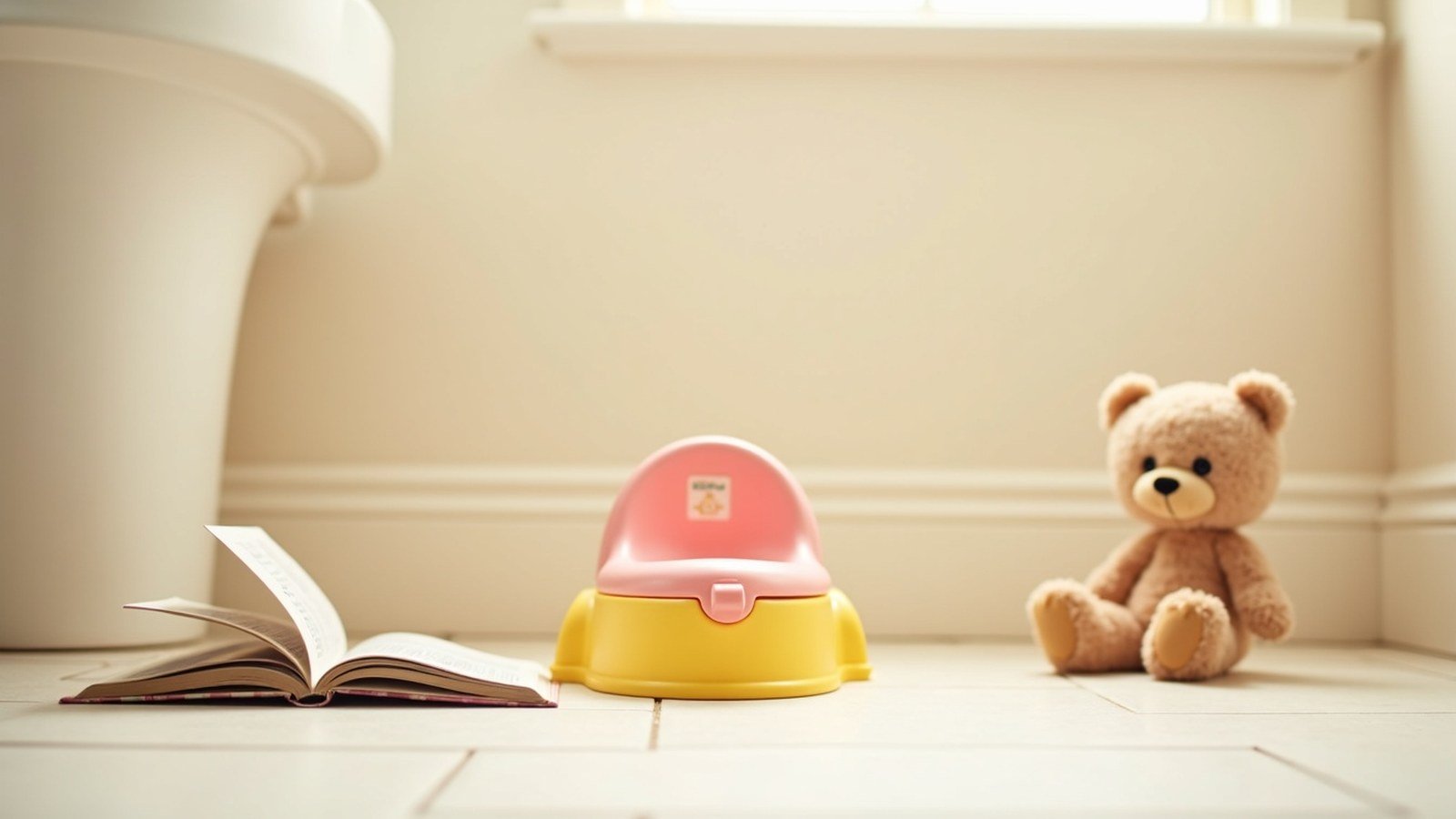
My script for an accident is short and unbothered. I say something matter-of-fact like, "Oops, pee goes in the potty. Let's get cleaned up and try next time." Then I have my child help in an age-appropriate way, maybe carrying the wet pants to the basket or grabbing a cloth. The goal is not punishment. It is gently connecting the dots between the body's signal and the right place to go, without an ounce of drama or disgust.
Practically, set yourself up so accidents do not wreck your day. Waterproof pads on the couch and the car seat, a change of clothes in your bag, easy-clean floors during the intensive phase, and low expectations for the first week. When I stopped reacting to accidents and started quietly resetting, my kids stopped reacting too. The tension that had been making everything harder simply drained out of the room, and progress sped up almost overnight.
8. Master naps, nighttime, and out-and-about
Here is the reassuring truth that took the pressure off me. Daytime training and nighttime dryness are two different skills on two different timelines. Staying dry overnight depends on a hormone called vasopressin and on bladder capacity, both of which mature on their own schedule, often months or even a couple of years after daytime is solid. A child who is a daytime champion can still need a nighttime diaper for ages, and that is completely normal, not a setback.
So I separate them on purpose. I tackle days first and stay relaxed about nights and naps, keeping a pull-up or diaper on for sleep until I am seeing consistently dry mornings on their own. When those dry mornings show up reliably, I make the switch, with a waterproof mattress protector underneath for peace of mind. Pushing nighttime before the body is ready just means broken sleep and discouragement for both of you, and protecting good sleep is something I care about a lot.
Out and about needs its own small plan. Before we leave, everyone tries. I learn where the bathrooms are wherever we go, pack a spare outfit and wipes, and consider a portable folding potty or seat for long outings and road trips. A travel pull-up for a big car journey is a sensible bridge, not a defeat. The trick is keeping the same calm, low-key attitude away from home that you have built up in your own bathroom.
9. Know when to pause and try again
This is the tip I wish someone had handed me on that puddle-soaked first afternoon. If training is going badly, you are allowed to stop. Pausing is not quitting and it is not failure. Sometimes a child simply is not ready yet, and the kindest, most effective thing you can do is back off, return to diapers without fuss, and revisit in a few weeks or a month. There is zero long-term harm in waiting.
How do you know it is time to pause? If after a week or two your child is consistently distressed, having far more accidents than successes, holding their pee or poop on purpose, or in a full daily power struggle, those are signs to step back. The same goes if a major life change has landed mid-training. Forcing it through resistance usually backfires and can sour your child on the potty for longer than a clean reset would.
Regression is its own version of this. A child who was fully trained may start having accidents after a new sibling arrives, a move, an illness, or any big stress. That is normal, it is usually temporary, and it responds best to extra patience rather than pressure. Reassure, stay calm, and lean back on your routine. For the official, plain-language overview of readiness and what to expect, I often point parents to the AAP's guide to toilet training on HealthyChildren.org.
A note on when to call your pediatrician
Most potty training bumps smooth out with time and patience, but a few situations genuinely deserve a professional eye, and I never want you to white-knuckle through something a quick call could solve. Reach out to your pediatrician if you notice signs of constipation, such as hard, painful, or infrequent stools, because constipation is one of the most common hidden causes of potty training struggles and accidents.
I would also call if your child is withholding, meaning deliberately holding in pee or poop to the point of discomfort, if you see pain or straining, if there is blood, or if a previously trained child suddenly regresses and stays that way without an obvious stressor. These can point to something treatable, and getting ahead of it makes everything easier. The CDC also offers solid general guidance on toddler milestones and development at the CDC's parents and toddler health resources, which I find reassuring to skim. When in doubt, ask. That is exactly what your pediatrician is there for.
Putting it all together
If you zoom out, the through-line of every tip here is the same. Follow your child, not the calendar or the comparison. Wait for true readiness, offer the right tools, choose a method that fits your real life, keep clothing simple, build a gentle routine, praise effort, stay unbothered by accidents, separate daytime from nighttime, and give yourself full permission to pause. None of this requires you to be a perfect, endlessly patient parent. It just requires you to stay a little calmer than the puddle in front of you.
Potty training is not a test of your parenting, and a child still in diapers at three is not behind in any meaningful way. Kids master this on a wide and forgiving timeline, and almost no one arrives at kindergarten in a diaper. The pressure we feel is mostly imported from other people's stories. When I finally tuned that out and tuned into my actual kid, the whole thing went from a battle to, honestly, a kind of sweet milestone.
Frequently asked questions about potty training
What is the best age to start potty training?
There is no single best age, only the right age for your child. Most kids show readiness somewhere between eighteen months and three and a half years, with many landing around two to two and a half. Far more important than the number is the cluster of readiness signs: staying dry longer, showing awareness of going, following simple directions, and an interest in the toilet. Starting because your child is ready, rather than because of a birthday, is the strongest predictor of a smooth, fast experience.
How long does potty training usually take?
It varies enormously, and that is normal. An intensive three-day method can get many ready children mostly daytime-trained over a long weekend, though even then accidents continue for weeks afterward. A gradual approach can stretch over several weeks or a couple of months. Nighttime dryness is a separate skill that often arrives months or even years later. If your child is genuinely ready, faster is common, but please do not measure your family against a stopwatch. Consistency matters more than speed.
Should I use pull-ups or go straight to underwear?
For many kids, going straight to underwear during the day works better, because a pull-up can feel and behave just like a diaper and mute the feedback your child needs. Feeling the wetness is what teaches body awareness. That said, pull-ups are genuinely useful for naps, nighttime, and long outings as a practical bridge. My general approach is underwear or bare-bottom for daytime learning at home, with pull-ups reserved for sleep and travel until those dry stretches show up on their own.
What should I do about potty training regression?
Regression after a stretch of success is common and almost always temporary. It often follows a big change like a new sibling, a move, an illness, or any added stress. The best response is more patience, not more pressure. Stay calm and matter-of-fact about accidents, lean back on your familiar routine, offer reassurance, and resist the urge to scold or shame. If the regression drags on without any obvious cause, or comes with pain or constipation, check in with your pediatrician to rule out a physical reason.
My toddler will pee but holds in poop. What now?
Poop withholding is incredibly common and usually rooted in fear or a past painful, hard stool. The fix is gentleness, never pressure. Keep stools soft with plenty of fluids and fiber, stay relaxed and never force a sit, and consider letting your child poop in a pull-up at first if that reduces the fear, then bridge toward the potty slowly. Because withholding and constipation feed each other and can become a real cycle, this is exactly the kind of thing worth raising with your pediatrician sooner rather than later.
Can I potty train alongside other big toddler changes?
I would gently steer you away from it. Potty training asks a lot of a toddler's focus and emotional reserves, so stacking it on top of a move, a new baby, starting daycare, or dropping a nap usually backfires. Pick a calm, boring, predictable stretch with no major disruptions on the horizon. If your family is in a season of change right now, it is completely fine to wait. A few weeks of patience often saves you from a frustrating false start.
Your calm, confident next step
If you take one thing from all of this, let it be permission to slow down. The fastest, calmest potty training start almost always comes from watching your own child closely, waiting for real readiness, and staying warm and unbothered through the inevitable puddles. You do not need fancy gear, a viral method, or nerves of steel. You need a ready toddler, a simple plan, and the willingness to treat accidents as data instead of disaster. That is genuinely the whole secret.
So take a breath and trust yourself here. You clearly care, or you would not have read this far, and that care is the most important tool you own. When you and your toddler are ready, pick a quiet week, grab that fun underwear together, and begin without the pressure. If this helped, browse the related guides below, and please send me a note to tell me how it goes. I read every message, and I am cheering you both on from my own once-puddle-soaked bathroom floor.